

By James Garcia
Syracuse, like much of Central New York, is experiencing subtle but meaningful shifts in its climate and environment. These changes aren’t always dramatic, but over time they add up—and they’re reshaping our local weather, ecosystems, and seasonal expectations.
Warmer Winters and Changing Snow Patterns
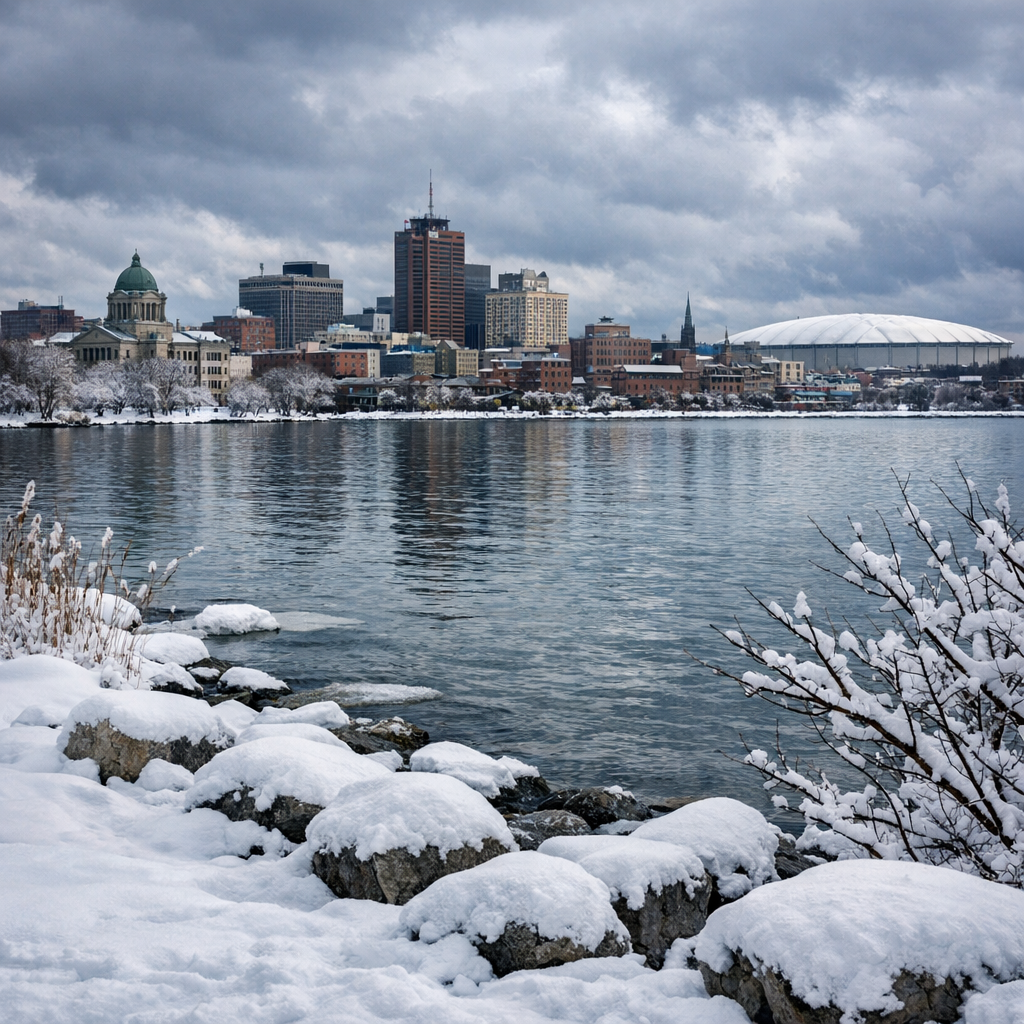
One of the most noticeable trends here has been winter warming. Winters are becoming milder overall, with fewer days where high temperatures stay below freezing. Snowfall—except for lake-effect snow—is becoming less consistent. More winter precipitation may fall as rain instead of snow, or arrive earlier and fade faster, shrinking the snow-covered season.
Hotter Summers & Stronger Heat Waves
Summers are also getting hotter. We’re seeing more days that hit 90°F or higher, particularly in urban areas where pavement and buildings trap heat. Nights are warmer too—those muggy evenings where air doesn’t cool off much are becoming more common. Heat waves are lasting longer and arriving earlier than they used to.
Heavy Rainfall, Flood Risk, & Spring Variability
Precipitation in Syracuse has become more erratic. Heavy rainstorms are more frequent, especially during spring and summer. Meanwhile, snowmelt and spring rains can lead to flooding—both in rivers and on streets. Wet springs may delay planting seasons and affect farming, landscaping, and wild plants.
Lake-Effect Snow: A Wild Card
Lake Ontario continues to play a big role in our weather. Lake-effect snow can still dump large amounts of snow under the right conditions. But warming winters and more frequent rain may reduce how often the lake is frozen—and that changes how and when lake-effect snow builds. It’s unpredictable: some winters will still produce heavy snow, but the timing and intensity may shift.
Onondaga Lake & Local Environmental Progress
Restoration efforts at Onondaga Lake provide a glimpse of environmental challenges and successes. Water quality has improved; wetlands are returning; clean-up work has reduced some pollution. But fish mercury levels remain a concern, and some advisories are still in place. These show how environmental restoration is a long game, with both progress and lingering concerns.
Why It Matters Locally
All of this matters—not just for weather geeks, but for anyone living here. Warmer winters affect heating costs, snow removal, and recreation. Hotter summers bring public health concerns and strain infrastructure. Unpredictable rain can cause property damage and disrupt local agriculture. Decisions about trees, parks, building design, and water management can help us adapt.
What You Can Do
- Support tree planting and green shade to help cool urban areas.
- Use landscaping and rain gardens to absorb heavy rain and reduce runoff.
- Pay attention to flood risk zones and beware of construction in flood-prone spots.
- Stay informed about public health alerts during heat waves.
- Engage with local environmental and planning initiatives, like the city’s Climate Action Plan and forest projects.
Syracuse’s climate is changing, but awareness and thoughtful action make a difference. As our seasons evolve, so do our opportunities—to adapt, protect, and live well.