

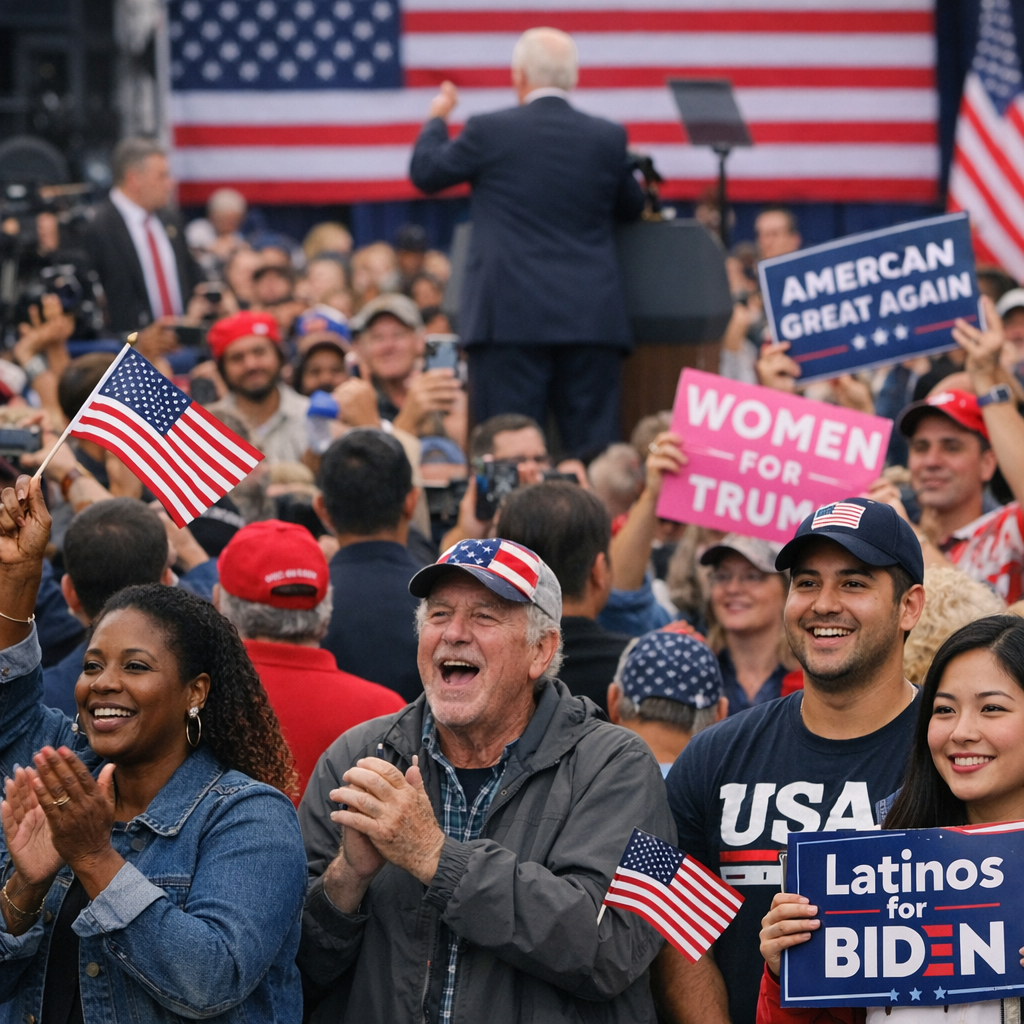
As the United States approaches the midterm elections, the political and economic climate is marked by significant developments that warrant close attention.
Political Developments
Recent polls indicate a growing public dissatisfaction with the current administration’s economic policies. A CBS News/YouGov survey revealed that 70% of Americans feel “angry” or “frustrated” about the handling of the economy, with only 11% expressing enthusiasm. This sentiment could influence voter behavior in the upcoming elections.
In Congress, debates over immigration policies have intensified. Republican leaders have postponed votes on key immigration enforcement funding, reflecting internal party disagreements. Additionally, the administration has tightened scrutiny of green-card applications, reclassifying adjustment-of-status benefits as “extraordinary” rather than routine.
Economic Indicators
The economy faces challenges, notably a rise in inflation to 3.8% in April, the highest in three years. This increase is partly attributed to escalating energy costs following military conflicts in the Middle East, leading to national average gas prices exceeding $4.50 per gallon.
Despite these challenges, the administration maintains that the U.S. economy remains strong. President Trump recently stated, “We have the greatest economy right now,” emphasizing declines in certain consumer prices and regulatory reforms aimed at sustaining growth.
Implications for Syracuse Residents
For residents of Syracuse, these national trends have tangible effects. Rising fuel prices can impact household budgets and transportation costs. Political decisions at the federal level may influence local policies and funding, affecting community programs and services.
Staying informed about these developments is crucial. Engaging in community discussions and participating in upcoming elections will allow residents to voice their concerns and contribute to shaping policies that align with their interests.
As the nation navigates these complex times, understanding the interplay between national decisions and local impacts remains essential for all citizens.